“I’m not alone in my loneliness, right?”
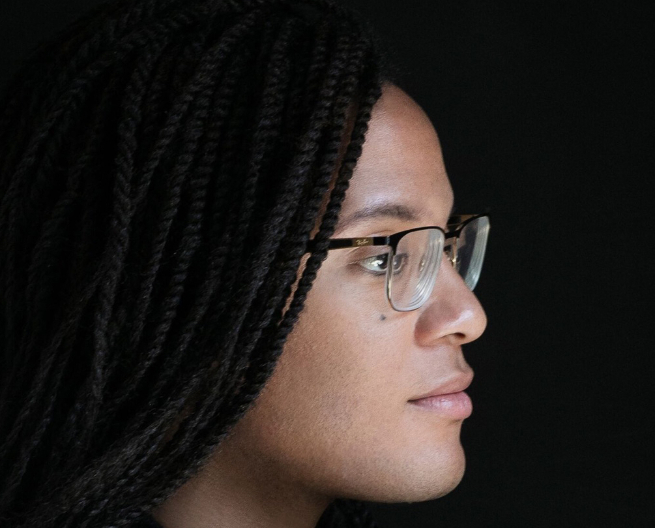
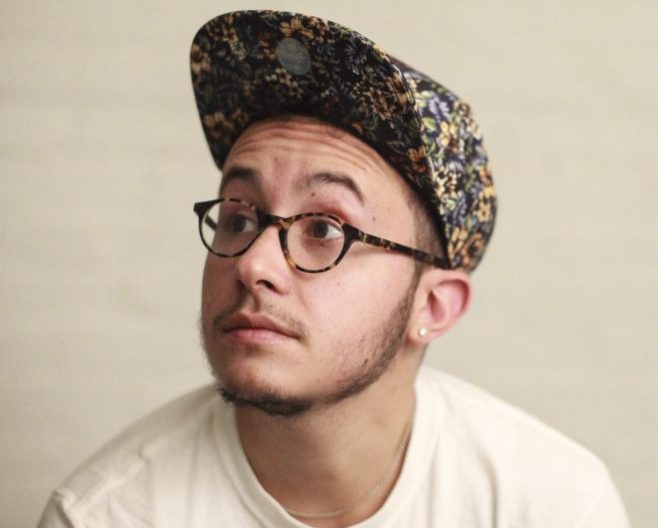
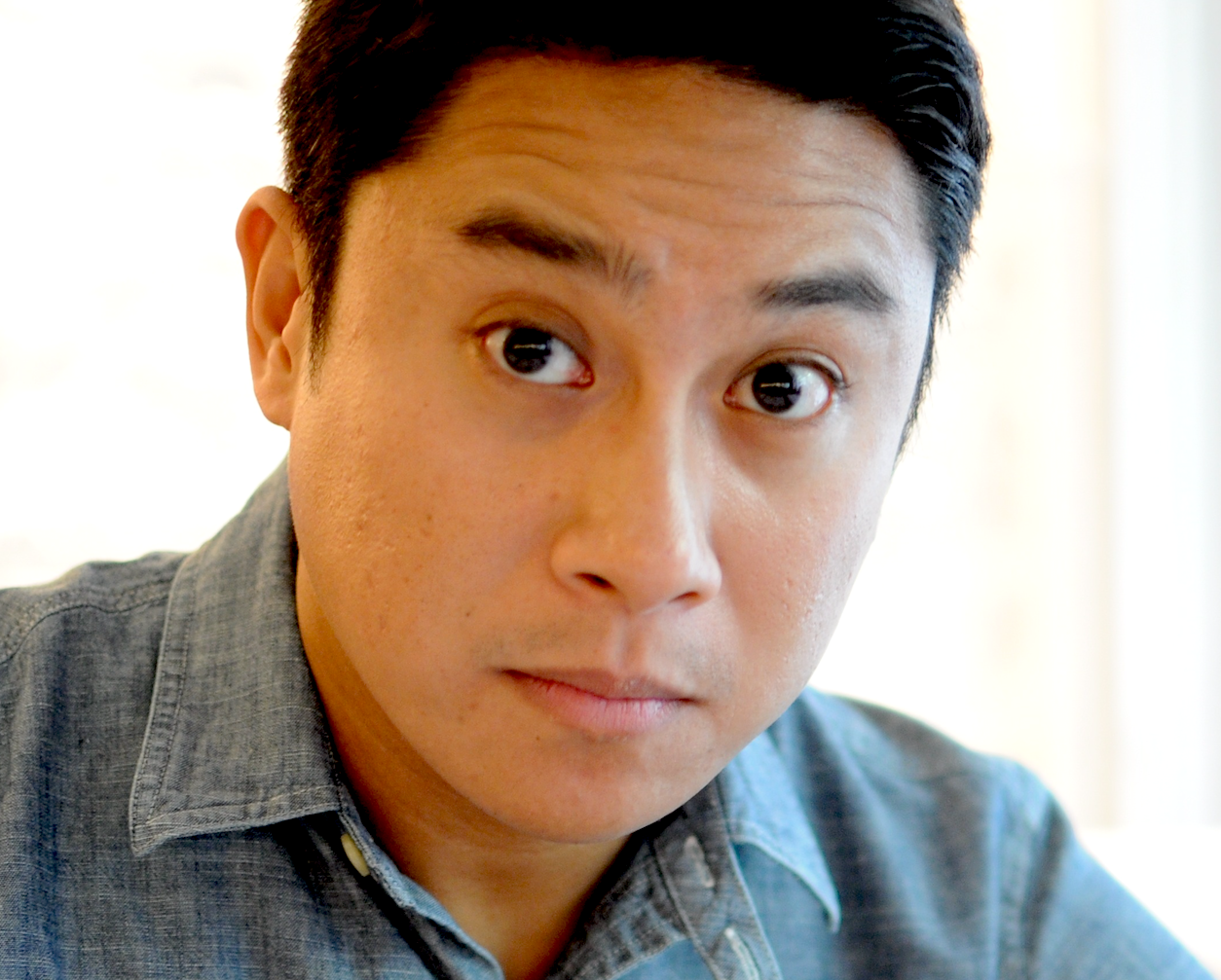
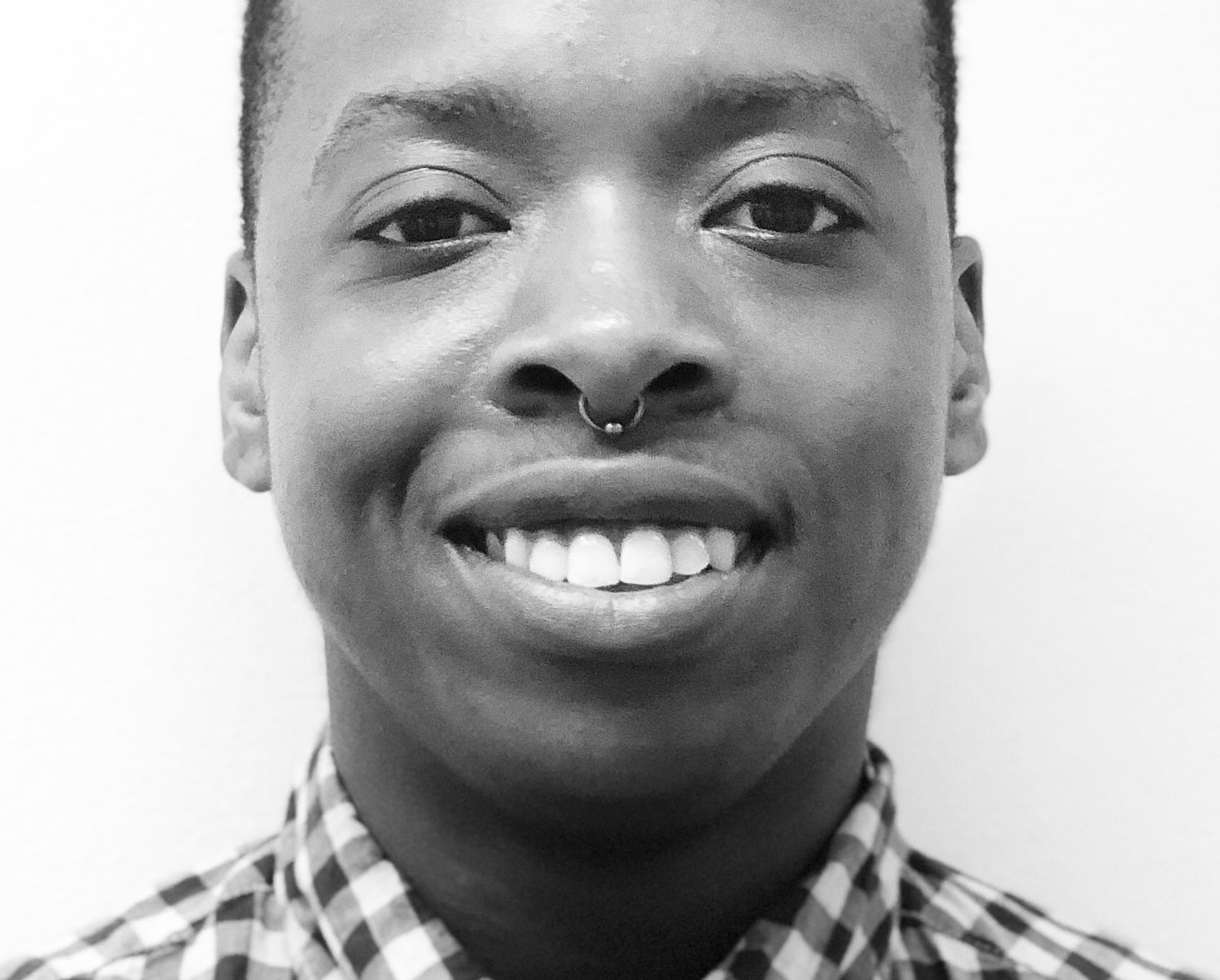
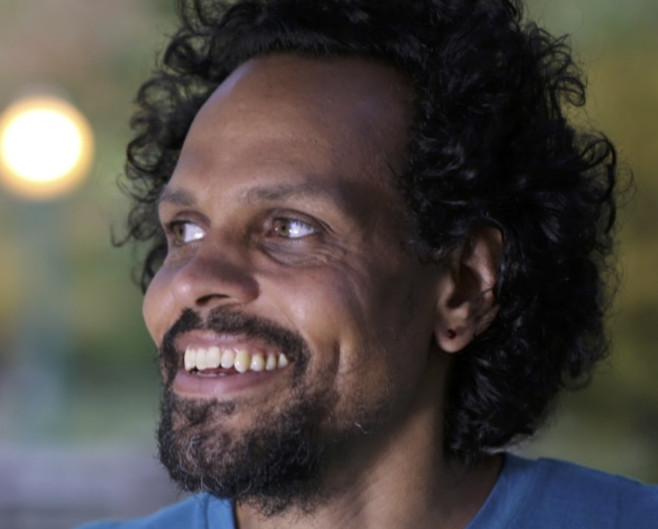
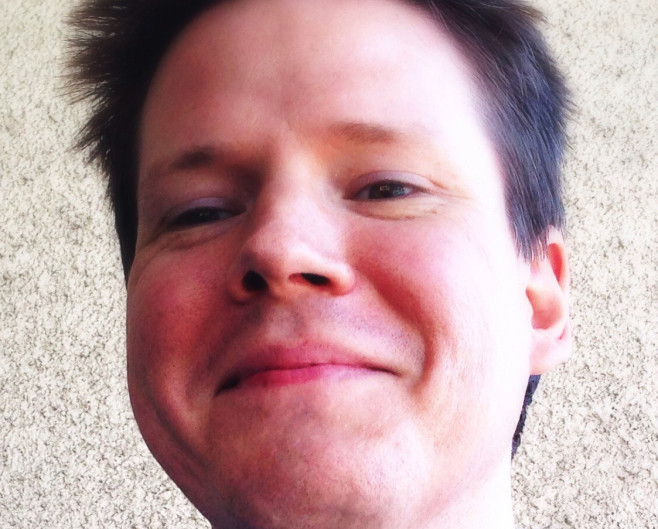
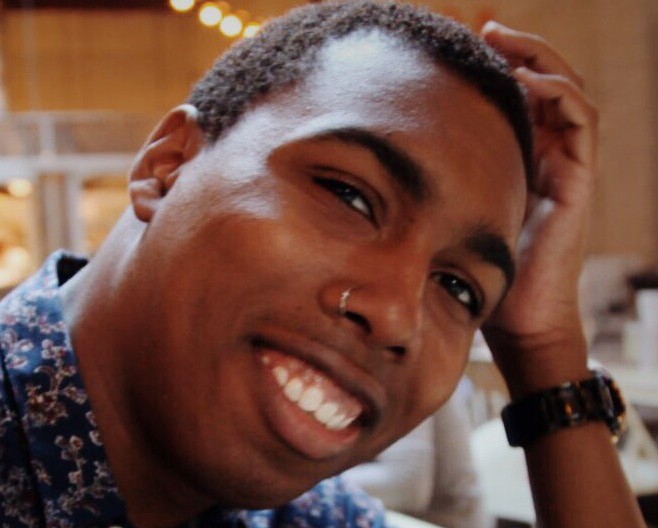
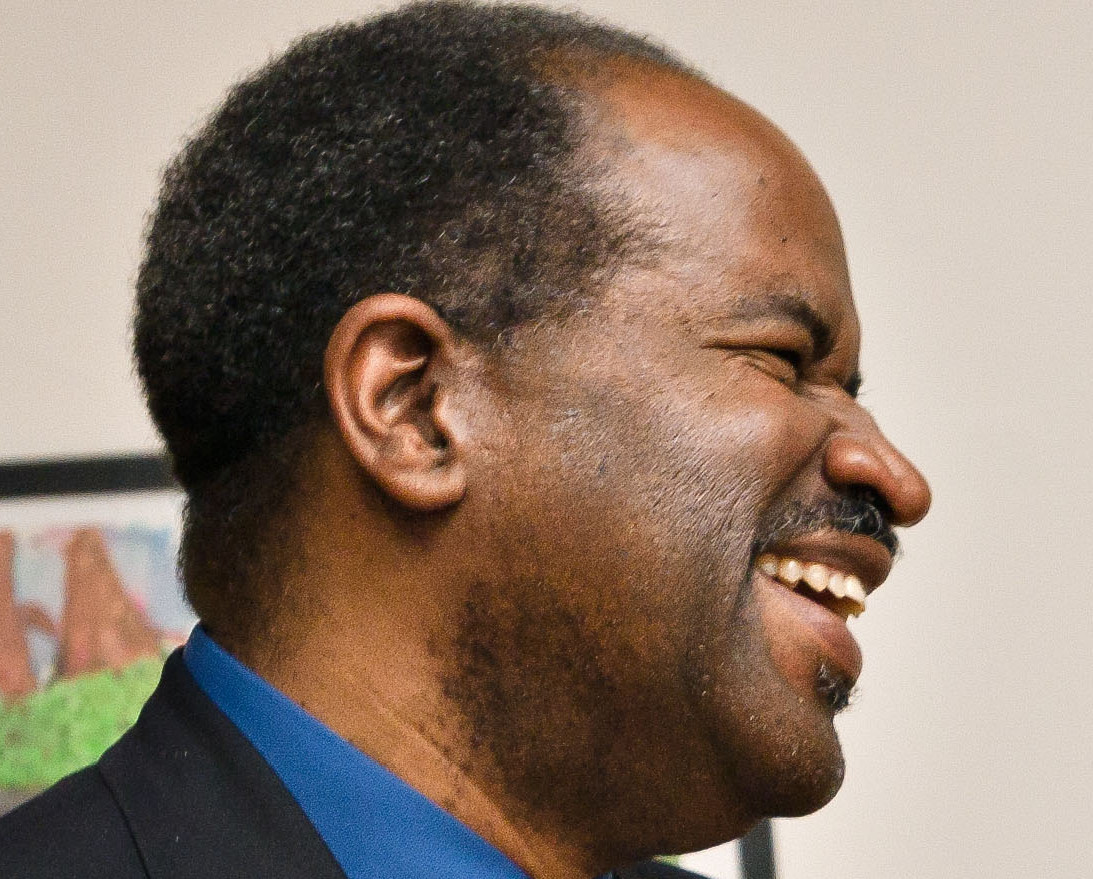
HIEU MINH NGUYEN
Interviewed By: Natalie Tombasco
I’m glad we figured out the time difference. Time zones are not my strong suit!
(Laughs) Same!
So, where are you on the West Coast?
I’m in Oakland. I live in the Bay.
Oh, awesome. I wasn’t sure, from reading Staying Still, if you ended up back in the Midwest.
Yeah, no, no, I’m back and forth all the time.
I have to ask about a funny anecdote I read about how 8 Mile was an important spark toward your poetic awakening. Eminem’s albums and film are quintessential artifacts in millennial lore. How did this movie introduce you to poetry?
I have to admit that I don’t know if this is entirely true—that 8 Mile was my awakening, I mean. I think I am always trying to track the beginning, the start of things, all the early moments when poetry started appearing in my life, all the ways I was using poetry to navigate the world without knowing it. That being said, I remember a time on the middle school bus when kids were doing rap battles. I was terrified of them turning to me and expecting me to participate. I would go home and prepare, just in case one day I was expected to perform or join. They never asked me. But we were using poetry or rap battles as a way to participate with the world—or at the very least, a way to make friends (or enemies, to be honest) by naming the things we noticed about them.
Yes, I feel that—the terror and anxiety driving you to meet the moment if it arrives. I remember trying to memorize the lyrics of “The Way I Am” as a nine-year-old girl, totally unaware of the formal techniques happening—the anapests, assonance, and consonance—and just feeling that galloping rhythm without possessing the right terminology for it. It’s funny, the first time I read a poem on a stage, 8 Mile came up for me, too. That scene where B-Rabbit stares into the dingy bathroom mirror backstage (laughs). I was being dramatic, but as an introvert, it felt like that “one shot, one opportunity” to finally step outside the comfort zone and participate.
Yeah, I’m thinking about the end of 8 Mile, right? Where he’s able to win over the crowd. The battle is actually to reclaim the things he felt ashamed about—to deflate what anyone else could use against him. That was a transformative mindset for me in middle school. I began reclaiming my insecurities, but it also kind of made me a clown.
When did you begin performing slam poetry?
In high school, I was a part of the theater program run by this legendary teacher named Jan Mandel, who approached theater-making from a social justice lens. It was a black box theater in the basement of the school where we had to write and develop the material we were performing. She’d bring in a lot of poets from the community who would host writing workshops. Even before I got there, a lot of the students in the school were writing poetry. I mean, Danez Smith, who I went to high school with—
Oh, really?
Yeah, I went to high school with Danez! I will always name-drop Danez.
Wow, that sounds like a really beneficial and fun experience I wish more high schools encouraged. Looking back, how has spoken word shaped your development as a writer, especially as it carries over to the page?
I was lucky to grow up in a scene that was nurturing of me. I also want to get better at emphasizing what the stage, or those spaces, made possible. It developed me as a writer and a person. When I was fifteen, I went to Brave New Voices, which is an international youth poetry festival, where I was exposed to other poets my age from all over. It blew my mind to be part of a larger network of people who had the same obsession as me. I was introduced to different regional sounds. Before poetry found space on YouTube, you’d go to these festivals enough, whether Brave New Voices or the National Poetry Slam, and without knowing it, you could guess not just what city the poet was from, but what venue they were with. You could tell the difference between different venues from the same city.
Oh, wow. How does a Twin Cities kind of sound differ from other regions?
Okay! I’ve been thinking about this a lot. One way regional sounds, back then, were influenced was by who was prominent in the scene, who was mentoring, or even who people wanted to impress at the reading. The gatekeepers, but also the giants. It was like an echo of the ecosystems. Not saying people sounded the same; I mean, we were passing around the same tools, and those tools were like covered in residue from our mentors and influences and their mentors and influences before them. I’m thinking of some of my first mentors now: Khary ‘6 is 9’ Jackson, Kyle ‘Guante’ Tran Mhyre, Michael Mlekoday, Sierra DeMulder. I remember talking with Stephen Meads, an old head based out of Portland, and he told me that he remembers an era of the Mercury (The Mercury Café, a poetry slam venue in Denver, Colorado) when all the poets had traces of Andrea Gibson’s cadence.
I would also say that the sound of a scene is influenced by the environment of the venue and its audience. For example, one of the main venues in the Twin Cities was the Artists’ Quarter, this basement jazz bar in sleepy downtown Saint Paul with dark walls, low lights, and low ceilings. Poets were lit by a spotlight, so in a way the poems felt more immersive. The other prominent venue in the Twin Cities was Kieran’s Irish Pub, which was essentially a sports bar, but it looked like the Titanic. It was in downtown Minneapolis, and it had this large banquet side room where the poetry slams were held. It had giant ceilings, and the lights were dimmed slightly, but not completely dark like the other venue. There were servers running around the room and clanking silverware, and the sounds from the other part of the bar would sputter in every time someone walked through the swinging door, and so the poets had more to consider.
I say this knowing all of this is reductive, but for example in my mind, the poets who frequented both venues would reserve their confessional poems, their haunting persona poems, poems that might require the immediate and uninterrupted attention of the listener for the Artists’ Quarter, the jazz bar in Saint Paul. But also at the Artists’ Quarter, what the poets gained from a more immediately attentive room, was also a room more likely to scrutinize over the construction of the poem. While in the banquet room of the Irish pub, the obstacle of getting (and keeping) the room’s fleeting attention might require a different set of poems, or a different approach to delivering your poems. We would consider what poems could fill that space, what poems could cut through the noise. Funny poems, anthemic poems, and erotic poems were always good to have in your pocket. But also, depending on the audience that night, it could all be different. Slam tested your ability to read a room, adapt to a room, and challenge it. The live audience, their regional concerns and sensibilities, are in a way, both obstacle and collaborator in a slam.
Interesting. I never thought about the regional differences or how the atmosphere plays into the choices you make on the fly.
Moving into your latest collection, Staying Still, there’s the haunting poem, “Chasm,” that meditates on the generational and geographical bridges within the Vietnamese diaspora. Can you discuss ideas in “Chasm” or other poems such as “Quê Hương,” (trans. “homeland”), where the speaker regrets, “I did not notice enough. Did not catalogue / the right things.” What do they wish to have paid more attention to?
You know, I didn’t want to perform like some kind of authority. My mother’s diasporic experience is her own, and one I can only imagine in inadequate ways, and these poems are trying to acknowledge that distance, and while I reach from her, I wonder who she’s reaching for. I remember a time when it felt like I had to find a way to make a poem explicitly signal to a reader that the speaker was Vietnamese. That anxiety weighed down a lot of my poems. I didn’t want to be misunderstood. I want folks to know there are layered experiences for the speaker. I think that comes from not trusting the reader enough and not trusting myself enough. In this book, it mattered. Being instantly legible mattered less. Does that make sense?
Yes, I’m thinking about the speaker documenting “the right things.” Like, am I offering the reader what they expect from my identity?
Yes. Sometimes I think that desire to “catalog / the right things” is ironic. I didn’t earn those “right things.” I didn’t pay attention, so absence is what I earned. In that moment, what was I longing for and prioritizing? “[T]he state fair, some lakeside cookout[?]” I remember being a bratty kid. My mom was trying to show me where she grew up, and all I wanted was to be somewhere else, right? The longing now, in that poem, isn’t for land, but for the story—for the thing that was offered, but lost.
Safia Elhillo uses this spot-on description for Staying Still as a “cartography of distance.” With its recurring mention of maps, interstates, and vehicles, there’s an obsession with the speaker either staying or leaving their formative home in the Midwest. The narrative traverses new cities, but returns to the places of their childhood: St. Paul, Uptown Minneapolis, Powderhorn Park. What does it mean to be a poet from the Twin Cities? Can you describe your fraught relationship between yourself and the Midwest?
I mean, I love the Midwest. I love Minneapolis. I love St. Paul. But it was a hard place for me, the way that home is a hard place for lots of people. There were many heartbreaks, griefs, and embarrassments. Every street carried some kind of emotion, you know? I think because I spent my whole life there, I found less and less to be curious about. It felt like a fresh start wasn’t possible there. Why did I want a fresh start? Who knows? Joan Didion, in her essay, “Goodbye to All That,” talks about meeting everybody she was going to meet and knowing everybody she was going to know. When I left Minneapolis, I thought I’d go back, but then there’s a real ease and comfort in being in a place with a lot of queer people. A lot more people of color. When I think of home, it’s people I think about—there is no house on a street, no fixed place I return to. I return to my people, wherever I can still find them. So many of them are elsewhere. The book is trying, and maybe failing, to relinquish this idea of belonging to a place.
This kind of reminds me of that scene in Lady Bird about her love and attention for Sacramento.
I was home a few weeks ago, and most everyone that I came up with in my 20s don’t live there anymore, but the ghosts are still present, you know? So many ghosts.
This may be out of left field, but your collection shares a title with a Noah Kahan song. While your genres are different, it’s fascinating that both play with the localized language of Boston/Minneapolis. There’s a shared fixation on physical transit versus emotional paralysis, as Kahan’s narrator is stuck in gridlock traffic. According to Genius, there’s a phenomenon locals call “Storrowing,” where large trucks become jammed under a low overpass, causing further congestion. It feels like a perfect metaphor for your collection, where the speaker is mapping out their escape from loneliness and grief. Did the concepts of “staying” or “stillness” feel dangerous or peaceful? Something else?
Oh, cool. I’m gonna listen to it.
Maggie Smith points out how “The New City” revels in the pleasure of dining alone, which is true; there is pleasure there, but also by the final image: “Someone is making their way through the bar, / coat tucked under an arm, a drink in each hand.” It makes me believe they long for company.
Yeah, yeah, yeah, I love that you noticed that feeling because right beforehand the speaker notices someone else sitting alone.
Yes, in a “pencil skirt.”
I’m not alone in my loneliness, right? There’s a comfort to that. Then there’s someone walking up with two drinks, and the speaker is simultaneously wanting that company. If you weren’t alone, would you have noticed all these people around you? I wanted to focus on the pleasures and the gifts of being alone, but also the longing that can still exist.
When visiting Paris, I noticed how the outdoor bistro chairs are situated to face the sidewalk. It almost encourages customers to be alone and people-watch for hours, whereas in the US, it is encouraged to dine with at least one companion, which is seen in your poem when the server quickly removes the extra plate on the opposite side of the table to avoid any awkwardness.
Wait, I love that the idea of restaurants or like, public spaces encouraging loneliness or encouraging kind of that interaction between the self and the world.
Yeah, it sort of transforms the street into a stage, and you’re an audience member to the city’s happenings.
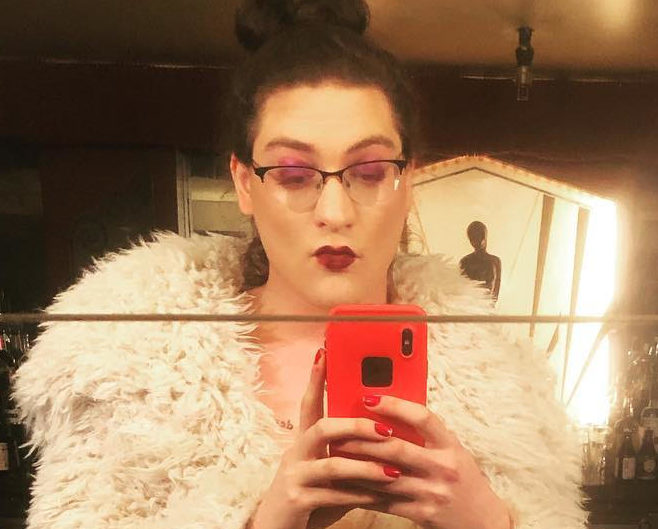
There’s the poem, “A Girl Named Pam,” where she’s described as a “Dormant teacher. Night-ripened / prima donna.” Pam is your drag persona. The speaker details becoming Pam as a birthing experience: “I daughter & mother at once.” I love the final lines when Pam and the speaker speed off questioning, “Why would I stop her / from touching everything / I couldn’t touch while awake?” Why name her “Pam?”
I came up with the name first—not Pam, but originally I wanted to name her Napalmela. But I didn’t want to get canceled by my ancestors (laughs), so I changed it to Pam. When I got into drag and looked at myself, the name made sense.
Ahh, okay, I thought Pam’s origin story had something to do with cooking spray (laughs). Who is Pam in terms of personality and aesthetics?
Pam is Stoic Auntie. I guess in all my performances, I’m like bullying the audience to pick up my books. I have a number where I walk around dropping books and people have to pick them up for me. At first, it’s an accident; then all of a sudden, I just start tossing them everywhere. She’s somewhat a bully. I don’t like performing as much as just getting into drag—exploring the world and running around the city. Pam is another vehicle to explore the world.
“Notes on Beauty” is structured as fragmented musings on the subject, tethered by the “being that” refrain. It reflects on the white, femme beauty of 2000s nostalgia (Rachael Leigh Cook in She’s All That), curated digital beauty, and food policing. There are the poignant lines: “I could, at least, be in proximity to it. If I / couldn’t be deemed beautiful, I could stand next to / beautiful things….I just want us to acknowledge it, the / distance, managed only through assimilation.” Self-image and the body are topics you’ve explored frequently in the past (“Heavy”), and so I’m curious how you wanted to expand upon those topics in this collection?
I think both the poet and the drag queen interrogate beauty. I crave it but also want to de-emphasize it because it has taken up so much brain space. I’m trying to make sometimes a connection between belonging and beauty—how sometimes one gives you access to the other. There’s the craving to belong somewhere other than your body.
I love “Of All the Things I’ve Tried To Do” as he looks for belonging: “& so maybe I made new friends—friends who wrote poems, / who sat around talking about poems, / who went to school to study poems.” This poem casually name-drops his friends and chosen family in the mode of Frank O’Hara or Danez Smith. Your closest poetry friends are in the acknowledgments as “beloveds.” How do these connections serve as a safe harbor for your poems and life?
Friendship and community are all I want to keep. My friendships are what energize me to write a poem. It’s kind of always been that way, right, like going to open mics and weekly slams. I’d want to write a poem that impressed my friends. Sometimes the poems were just an excuse to be with each other. I feel that way about drag too. Community isn’t just people that you share a genre with. Community is found through people who have compatible curiosities, and the commitment of keeping each other curious. That goes beyond just poets or drag, but in everyday life, too.
Interview Posted: October 8, 2026



MORE FROM DIVEDAPPER. (Drag left)